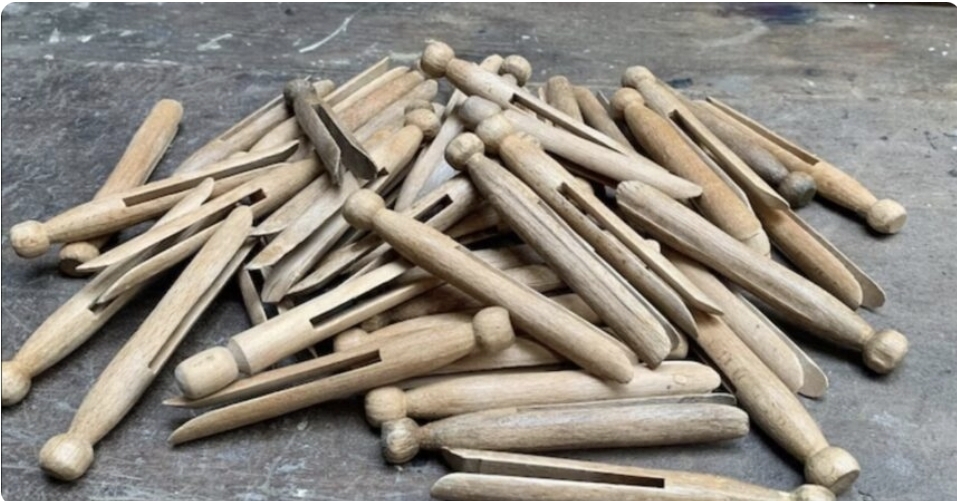
Wooden clothespins have been part of everyday household life for generations, dating back to the 19th century when washing and drying clothes required considerably more manual effort. Before modern laundry appliances became common, families relied on outdoor clotheslines to dry their washing. Early clothespins were made from materials such as bone, metal, and horn, but wooden versions eventually became popular because wood was affordable and widely available. Some early designs were carefully carved by hand, reflecting the craftsmanship of their makers.
Although their main purpose is to hold clothes securely on a washing line, wooden clothespins have proven useful in many other ways. They can be used to seal open snack bags, display photographs, organize small household items, and support creative craft projects. Their simple construction makes them easy to reuse, while their durability allows them to remain useful for years. Compared with disposable plastic alternatives, wooden clothespins can also be a more environmentally friendly option.
Today, wooden clothespins represent more than just a practical laundry accessory. They remind many people of a time when everyday household tasks were done by hand and families often worked together. Hanging freshly washed clothes outside on a sunny day was once a familiar part of daily life in many homes.
Despite advances in technology and modern household conveniences, these simple wooden objects have never completely disappeared. Their usefulness, affordability, and timeless design continue to make them valuable around the home. Sometimes, the most ordinary household items carry the most interesting stories about how people lived in the past.